Industrial innovation
Innovation at the core of the factory
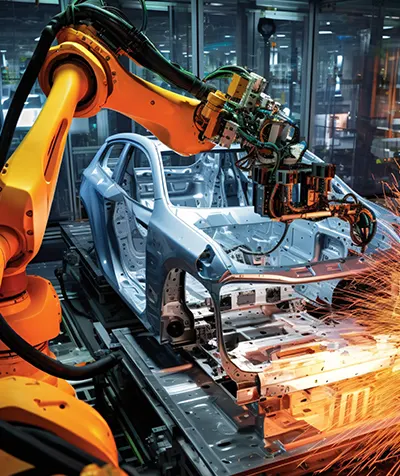
In the era of Factory 4.0, production lines use connected systems to support autonomous operations and communication between machines. Industrial sensors provide real-time monitoring for proactive production management.
PCB technologies
Key PCB applications in industry
PCB technologies support electronic circuit performance, component miniaturization and operational reliability in industrial equipment.
Icape-group.com supplies printed circuit boards built with patterned copper layers on an insulating substrate. These electronic assemblies are used in computers, smartphones, televisions and medical equipment. Different PCB designs can be distinguished by their copper layer count, circuit track density and insulating material flexibility.
- Single-sided PCBs
- Double-sided PCBs
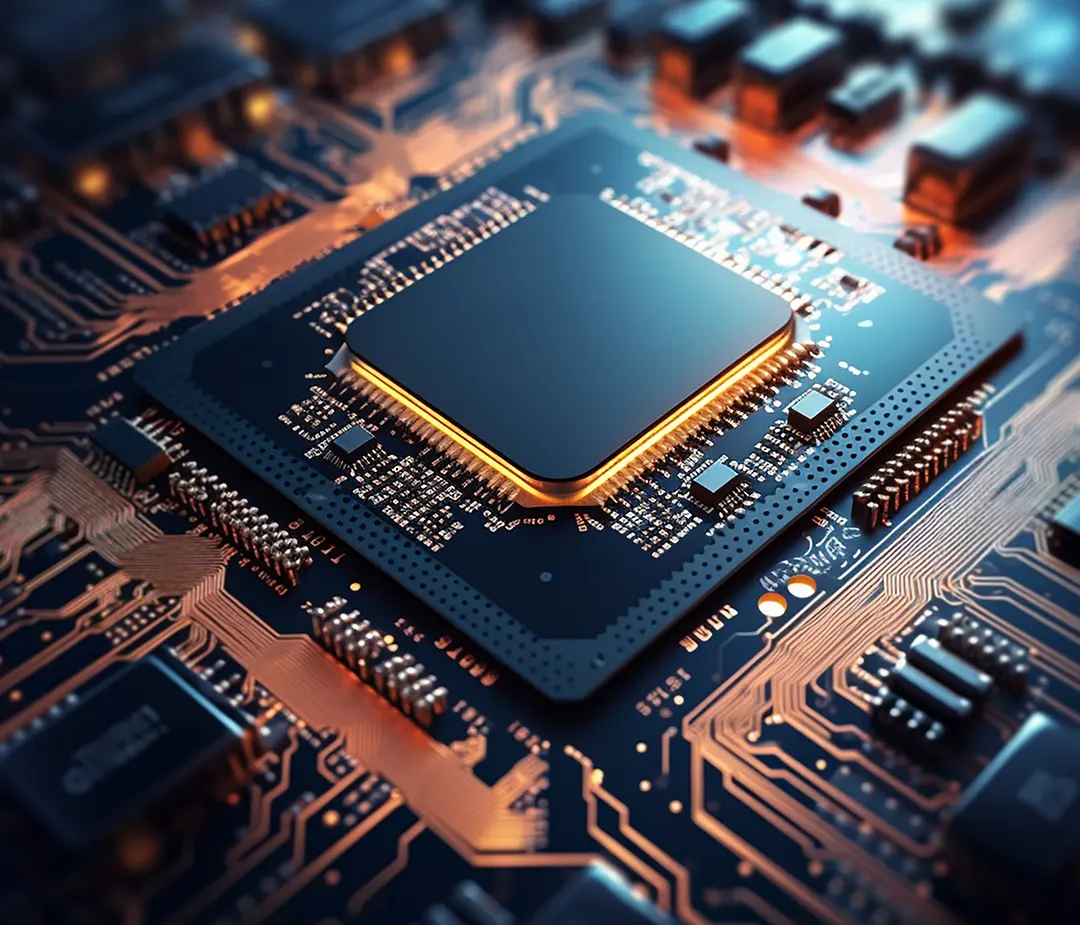
Multilayer PCBs support complex electronic designs for demanding applications, including satellite electronics.
Quality fundamentals
Process engineering: manufacturing and control in greater detail



Manufacturing 4.0
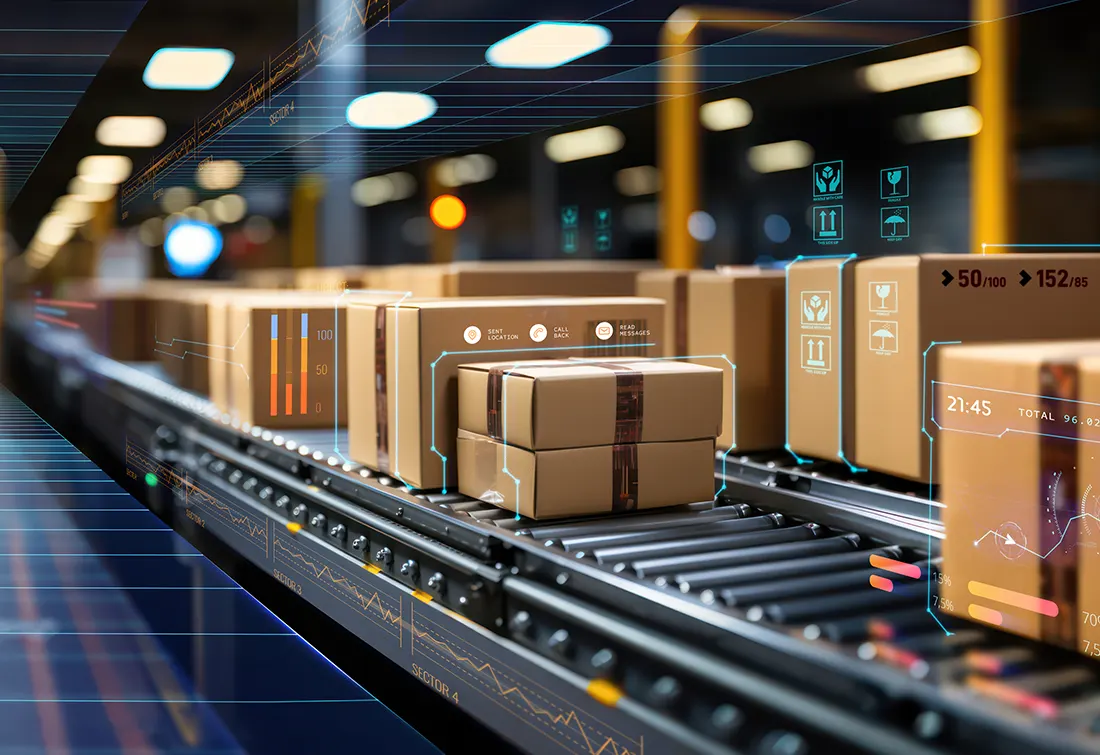
Industry 4.0 connects industrial sensors and networked devices to collect and transmit real-time production data.

Production management
Effective production management depends on coordination between industrial machinery and human operators to maintain efficient manufacturing workflows.

Production chain
The production chain converts raw materials into finished products through coordinated manufacturing operations. Integrating artificial intelligence and connected industrial devices can improve process visibility and production efficiency.
Industry 4.0
Technologies redefine the industry
The fourth industrial revolution is transforming smart factories through flexible production systems that respond to customer requirements while improving resource utilization and operational risk management. Across manufacturing sectors, Industry 4.0 technologies can support greater industrial productivity and more adaptable production processes. These capabilities help manufacturers develop customized industrial products and improve their competitive positioning; explore industriandesign.com for further insights into industrial design.
Towards intelligent automation
What are three examples of automation?
Artificial Intelligence (AI) and machine learning
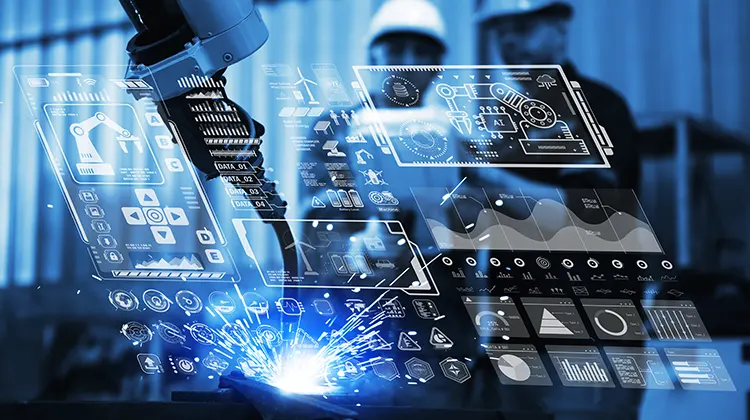
Artificial intelligence supports speech recognition and natural language processing applications. Machine learning enables personalized recommendation systems and contributes to autonomous vehicle development.
Robotic Process Automation (RPA)
Robotic process automation uses software robots to handle repetitive digital tasks and streamline administrative workflows. This allows employees to devote more attention to activities requiring creativity and human judgment.
IoT (Internet of Things) in industrial automation
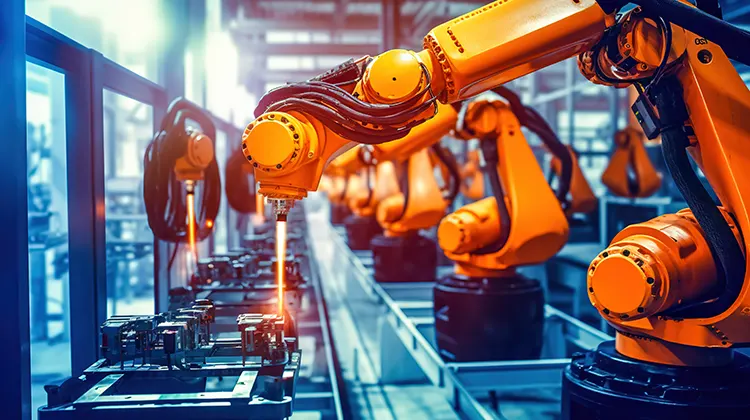
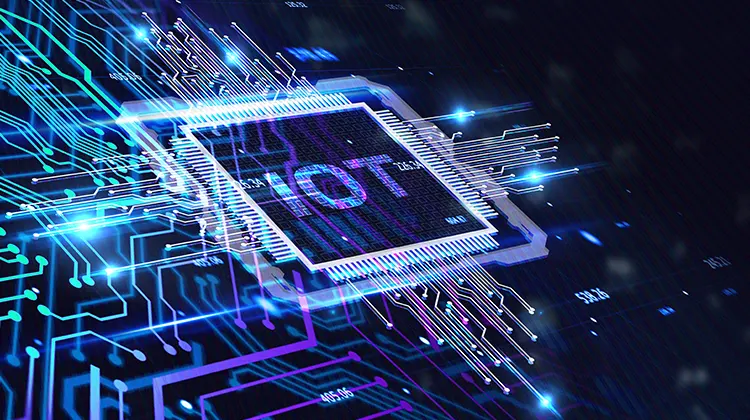
Industrial IoT enables connected machines to exchange operational data and support more responsive automation systems. Machine connectivity helps coordinate equipment performance and improve manufacturing flexibility; find further information on b2bindustry-machinery.com.
Smart factories
Diving into the Industrial Internet of Things (IIoT)

Sensor integration
Industrial sensors convert physical measurements into signals that connected equipment can use for process monitoring and automated control.


Data analysis
Industrial data analysis helps manufacturers identify production patterns and anticipate changes in operational performance. Analytical methods also support scientific research and evidence-based decision-making.


Connectivity in manufacturing
Connected factory systems link machines and production equipment to enable coordinated manufacturing operations. Reliable industrial communication improves information exchange and supports operational efficiency.

The future of production
The essential integration of robotics